Independent informational guide for adult eye wellness and responsible supplement research
Eye Wellness Supplement Guide

VisiFlora: A Complete Guide to Daily Eye and Visual Comfort Support

VisiFlora is positioned as a daily dietary supplement for adults who want to add nutritional support to a broader eye-care routine. This guide explains the product’s intended wellness role, the kinds of nutrients associated with the formula, practical screen-comfort habits, usage considerations, safety questions and the limits of what any supplement can reasonably do.

Balanced product overview Screen-comfort guidance Safety-first information
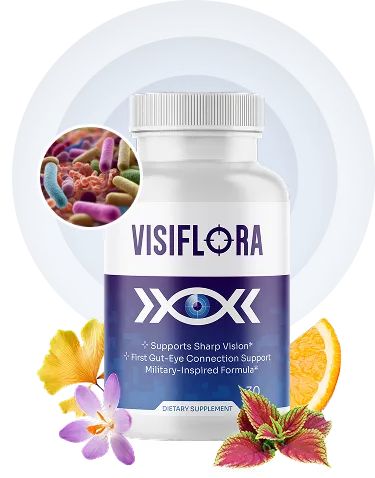
VisiFlora eye support dietary supplement bottle
InformationalDesigned to explain, not overpromise
PracticalDaily habits for screen-heavy routines
BalancedPotential value and clear limitations
Safety AwareLabel checks and professional guidance
Quick Answer

VisiFlora is an eye-wellness dietary supplement marketed for adults seeking nutritional support for normal visual function, retinal and macular wellness, antioxidant protection and everyday eye comfort. It should be treated as one optional part of a complete routine that also includes regular eye examinations, balanced nutrition, sensible screen habits and prompt professional care for new or worsening vision symptoms.

Product Overview

What Is VisiFlora?

VisiFlora is described as a premium eye-support formula made with a combination of antioxidants, vitamins and plant-based nutrients. The product is aimed at adults who spend significant time looking at digital screens, want to maintain eye comfort as they age or simply prefer a structured nutritional supplement as part of their wellness routine. Its positioning centers on supporting the tissues involved in normal vision, including the retina, macula and optic-nerve environment, while also promoting general antioxidant and nutritional support.

It is important to understand the difference between nutritional support and medical treatment. A dietary supplement may provide nutrients that participate in normal biological processes, but it cannot diagnose the cause of blurred vision, correct a prescription, reverse eye disease or replace professional examination. Changes in vision can result from dry eye, refractive error, cataracts, glaucoma, retinal conditions, medication effects, diabetes and many other causes. Because those issues require different responses, persistent symptoms should never be managed with a supplement alone.

The most sensible way to evaluate VisiFlora is to ask whether the formula, serving instructions, quality information and cost fit your personal routine. Review the current product label rather than relying only on promotional summaries. Check each ingredient, the amount per serving, allergen information, suggested use, warnings and the manufacturer’s contact details. This is especially important because supplement formulas and package information can change over time.
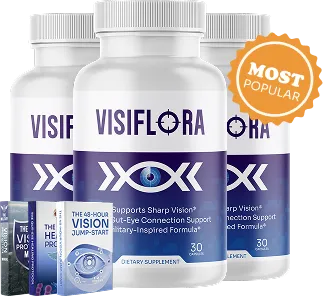
Multiple bottles of VisiFlora dietary supplement with included guides
Intended Wellness Role

What VisiFlora Is Designed to Support

The following goals reflect the product’s general wellness positioning. They are not guarantees, and individual experience can vary according to diet, health status, medication use, sleep, screen habits and existing eye conditions.

01

Everyday Visual Comfort

Long periods of close-up work can leave the eyes feeling tired, dry or difficult to focus. VisiFlora is positioned as nutritional support for adults who want to complement practical habits such as regular breaks, comfortable lighting, proper monitor distance and conscious blinking. A supplement does not remove the need to correct workplace causes of discomfort, but it may fit into a broader daily routine.

02

Retina and Macula Nutrition

The retina converts light into signals that the brain interprets as vision, while the macula supports detailed central vision. The formula is marketed around nutrients and antioxidants associated with these tissues. Nutritional support is most meaningful when combined with a varied diet containing leafy greens, colorful vegetables, fruit, healthy fats and adequate protein.

03

Antioxidant Support

Normal metabolism and environmental exposure generate reactive molecules that the body manages through its antioxidant systems. VisiFlora is presented as a source of antioxidant-oriented nutrients intended to support normal cellular protection. The term “antioxidant” should not be interpreted as proof that a product prevents or treats a particular disease.

04

Healthy Circulation Context

Eye tissues depend on normal blood flow for oxygen and nutrient delivery. Product descriptions may refer to circulation support, but a supplement should not be used to self-treat circulation problems. Blood pressure, cholesterol, smoking, diabetes and cardiovascular health can all affect the eyes, making routine medical care an important part of long-term vision protection.

05

Gut–Eye Wellness Concept

VisiFlora highlights a gut–eye connection, a developing area of scientific interest involving nutrition, inflammation, metabolism and the microbiome. This concept is not a simple cause-and-effect promise. Supporting digestive wellness through fiber-rich foods, adequate hydration and an overall balanced eating pattern remains more fundamental than relying on one product.

06

Healthy-Aging Routine

Many adults become more attentive to eye health as focusing comfort, tear quality and visual needs change with age. VisiFlora may appeal to people looking for a convenient daily formula, but healthy aging also depends on eye examinations, UV protection, control of chronic conditions, physical activity and prompt attention to symptoms.

Formula Perspective

Understanding the Nutrient Categories

Current VisiFlora marketing refers to a blend of antioxidants, vitamins, minerals and plant-derived ingredients. Examples highlighted on the product page include carotenoid-related nutrients such as beta-carotene, lutein and zeaxanthin, along with zinc, vitamins C and E and several botanical or antioxidant compounds. Because marketing pages sometimes summarize ingredients differently from the Supplement Facts panel, the physical label should be treated as the final source for exact amounts and serving details.

Lutein and zeaxanthin are naturally occurring carotenoids that accumulate in the retina. Vitamin A is necessary for normal vision, while zinc participates in many enzyme and cellular functions. Vitamins C and E contribute to antioxidant systems. These facts explain why such nutrients often appear in eye-health formulas, but they do not mean that every adult needs the same combination or dosage. More is not automatically better, and excessive intake of certain nutrients can create risks.

Botanical ingredients deserve the same level of attention as vitamins and minerals. “Natural” does not mean interaction-free. Plant extracts can affect blood pressure, blood sugar, bleeding risk, sedation or medication metabolism depending on the ingredient and dose. Anyone taking anticoagulants, diabetes medication, blood-pressure medicine or multiple supplements should ask a qualified clinician or pharmacist to review the complete label.

  • Confirm every ingredient and amount on the current Supplement Facts panel.
  • Compare the formula with your multivitamin and other products to avoid duplication.
  • Check for allergens, capsule materials and inactive ingredients.
  • Look for clear manufacturer, lot and expiration information.
  • Do not assume an eye supplement is equivalent to a clinician-recommended AREDS or AREDS2 formula.

A Note About AREDS-Style Formulas

Certain high-dose nutrient combinations have been studied for specific groups of people with age-related macular degeneration. Those formulas are not general-purpose treatments for every adult, and they are not interchangeable with any product simply labeled for eye health. People diagnosed with macular degeneration should follow the advice of their ophthalmologist or optometrist rather than selecting a formula based only on advertising language.

Whole-Routine Approach

Why a Supplement Should Be Only One Part of Eye Care

Strong eye-wellness habits address the environment, nutrition, general health and professional care. The table below shows where a supplement may fit and where other actions remain essential.

Eye-Wellness Need How VisiFlora May Fit What Still Matters
Nutrient intake Provides a structured supplement format containing selected vitamins, antioxidants and plant-based compounds. A varied diet remains the foundation and provides fiber, protein, healthy fats and many compounds not captured in one capsule.
Screen-related discomfort May be used as supportive nutrition by adults with demanding digital routines. Breaks, blinking, ergonomics, lighting, correct prescriptions and dry-eye care address common direct causes of discomfort.
Age-related concerns Offers a convenient wellness habit for people focused on long-term nutritional support. Regular dilated eye examinations and management of blood pressure, diabetes and cholesterol are more important for detecting risk.
Sudden vision changes A supplement has no appropriate emergency role. New flashes, a curtain-like shadow, sudden blur, severe pain, trauma or sudden loss of vision require urgent professional evaluation.
Existing eye disease May be considered only after the formula is reviewed by the treating clinician. Diagnosis-specific monitoring, prescription treatment and medical advice should guide care.
Responsible Use

How to Build VisiFlora Into a Sensible Daily Routine

Consistency is easier when a supplement is connected to an existing habit, but the label directions and safety information should always take priority over a generic routine.

1

Read the Label First

Confirm the serving size, timing, capsule count, warnings and storage instructions. Do not exceed the labeled amount in an attempt to get faster results.

2

Review Other Products

Compare VisiFlora with your multivitamin, eye formula and individual nutrients. Watch for repeated vitamin A, zinc, vitamin E or herbal ingredients.

3

Pair It With Meals

Follow the label’s food instructions. Taking a supplement with a regular meal can also make the routine easier to remember and may reduce stomach discomfort for some users.

4

Evaluate Objectively

Avoid judging a product by daily fluctuations. Track tolerance, adherence and any concerns, and stop use if you develop a suspected reaction or your clinician advises against it.

Who Should Seek Professional Advice Before Use?

Speak with a doctor, optometrist, ophthalmologist or pharmacist before starting VisiFlora if you are pregnant or breastfeeding, have an eye condition, are preparing for surgery, use prescription medicines, take blood thinners, have diabetes or blood-pressure concerns, have liver or kidney disease, smoke or formerly smoked and are concerned about beta-carotene exposure, or already use a high-dose eye-health formula.

Digital Comfort

Practical Habits for Screen-Heavy Days

Screen discomfort is often related to sustained near focus, reduced blinking, poor lighting, reflections, dry air or an outdated prescription. Improving these factors can provide more immediate practical value than expecting a capsule to compensate for an uncomfortable workstation. The following habits are simple, low-cost and compatible with a supplement routine.

  • Use the 20-20-20 approach: about every 20 minutes, look roughly 20 feet away for at least 20 seconds.
  • Blink fully and regularly, especially during concentrated reading or video calls.
  • Keep the screen around arm’s length away and slightly below eye level when practical.
  • Reduce glare, match screen brightness to the room and enlarge text instead of leaning forward.
  • Use artificial tears only when appropriate and ask an eye-care professional which type suits you.
  • Keep contact lenses clean and follow the recommended replacement schedule.
  • Schedule an eye examination if headaches, blur or focusing difficulty continue.

Blue-light marketing can create confusion. Digital screens can contribute to eye strain, but discomfort is commonly connected to how people use screens rather than proof that ordinary device exposure is damaging the retina. Regular breaks, comfortable positioning and good sleep habits are generally more useful than relying on unverified claims about “blocking” or “detoxifying” the eyes.

20

A Simple Workday Reset

At the end of each focused work block, relax your shoulders, look into the distance, blink slowly several times and adjust your posture. Small breaks can reduce the continuous focusing demand that contributes to tired-feeling eyes. Keep water nearby and avoid aiming a fan or air-conditioning vent directly at your face if dryness is an issue.

Eye fatigue that improves after rest is different from sudden, severe or one-sided visual symptoms. Do not delay care when a symptom feels unusual, painful or rapidly progressive.

Decision Guide

How to Decide Whether VisiFlora Fits Your Needs

A useful product decision is based on transparent information, personal suitability and realistic expectations rather than urgency, testimonials or dramatic promises.

It May Be Worth Considering If

You want a convenient eye-wellness supplement, have reviewed the label, understand that it is not a treatment, and are prepared to combine it with healthy food, sensible screen habits and professional eye care. You should also be comfortable with the recurring cost and the manufacturer’s policies.

!

Pause and Ask Questions If

The exact amounts are unclear, the product duplicates several supplements you already take, you use prescription medication, you have an eye diagnosis or the marketing implies guaranteed improvement. A pharmacist or eye-care clinician can help you evaluate whether the formula is appropriate.

×

Do Not Use It as a Substitute For

Prescription glasses, contact-lens care, glaucoma medication, diabetes management, cataract assessment, retinal treatment or urgent evaluation. Supplements cannot determine the cause of visual symptoms, and delaying diagnosis can allow some conditions to become more serious.

Buying Checklist

Before ordering, verify the destination website, current bottle count, serving size, total supply, shipping terms, renewal or subscription conditions, refund procedure and customer-service details. Save a copy of the order confirmation and current offer. Pricing, bonuses and guarantees may change, so rely on the terms shown at checkout rather than an older screenshot or third-party summary.

Common Questions

VisiFlora Frequently Asked Questions

These answers provide general education. The product label and advice from your own healthcare professionals should guide individual decisions.

What is VisiFlora intended to do?

VisiFlora is marketed as a dietary supplement for nutritional support of normal eye wellness, visual comfort and antioxidant protection. It is not a medicine and should not be expected to correct refractive error, diagnose symptoms or treat an eye disease.

Can VisiFlora improve eyesight or replace glasses?

A supplement cannot replace prescription lenses or correct structural focusing errors such as nearsightedness, farsightedness or astigmatism. Anyone noticing a change in clarity should arrange an eye examination rather than assuming the issue is nutritional.

Is VisiFlora suitable for people who use screens all day?

It may appeal to adults with screen-heavy routines, but workstation habits remain essential. Regular breaks, blinking, correct screen distance, reduced glare and an up-to-date prescription directly address common contributors to digital eye discomfort.

How should VisiFlora be taken?

Use only the serving instructions printed on the current product label. Do not copy instructions from an older review or another eye supplement. Ask a pharmacist or clinician when timing, food requirements or medication interactions are unclear.

How quickly should someone expect results?

There is no reliable universal timeline. Supplements provide nutritional ingredients rather than an immediate optical correction, and individual experiences differ. Dramatic or sudden changes in vision should be medically evaluated instead of attributed to a supplement.

Can VisiFlora be combined with a multivitamin?

Possibly, but the labels should be compared carefully. Combining products can raise the total intake of vitamin A, zinc, vitamin E and other ingredients. A pharmacist can help identify unnecessary duplication or interaction concerns.

Does “plant-based” mean there are no side effects?

No. Plant-derived ingredients can still cause allergy, digestive discomfort or medication interactions. Stop using the product and seek appropriate advice if you experience a suspected reaction, especially swelling, breathing difficulty, severe rash or other urgent symptoms.

Is the gut–eye connection proven to improve vision?

The relationship among nutrition, the microbiome, inflammation and eye health is an active research area, but broad marketing claims should not be treated as proof that changing the gut will sharpen eyesight. A balanced diet and evidence-based eye care remain the practical foundation.

Who should avoid starting VisiFlora without medical advice?

People who are pregnant or breastfeeding, take prescription medicines, have surgery planned, have liver or kidney disease, use anticoagulants, have an eye diagnosis or already take a high-dose eye formula should obtain professional advice first.

When do eye symptoms require urgent attention?

Seek urgent care for sudden loss of vision, a curtain or shadow in the visual field, new flashes with many floaters, severe eye pain, chemical exposure, injury, marked redness with light sensitivity or rapidly worsening symptoms. A supplement is not appropriate emergency care.

Final Perspective

A Balanced View of VisiFlora

VisiFlora may suit adults who want a convenient supplement built around vitamins, antioxidants and plant-based eye-wellness ingredients. Its strongest role is as an optional addition to a responsible routine, not as a shortcut around nutrition, healthy screen behavior or professional care.

Before buying, study the current label and compare it with everything else you take. Think in terms of long-term habits rather than instant results. Protect your eyes from excessive ultraviolet exposure, avoid smoking, control chronic health conditions, eat a varied diet and keep up with eye examinations at intervals recommended for your age and risk level. These steps have value regardless of whether you choose a supplement.

Most importantly, listen to symptoms. Tired eyes after a long day may improve with breaks and better ergonomics, but persistent blur, pain, flashes, a sudden increase in floaters or any rapid visual change deserves professional attention. Used with realistic expectations and appropriate safety checks, VisiFlora can be evaluated as one part of a broader eye-wellness plan.

Evidence-Based Reading

References and Further Reading

Use these independent resources to learn more about digital eye strain, carotenoids, vitamin A and responsible dietary-supplement decisions.

A

American Academy of Ophthalmology

Practical guidance on computers, digital devices, blinking, viewing distance and regular visual breaks.

Read the eye-strain guidance
N

NIH Office of Dietary Supplements

Consumer and professional information about vitamin A, carotenoids, safe intake and potential medication or health considerations.

Review the vitamin A fact sheet
S

Supplement Safety Basics

NIH guidance on discussing supplement use with doctors, registered dietitians and pharmacists before combining products or managing health conditions.

Read supplement safety guidance

Review the Current VisiFlora Product Information

Check the latest label, serving directions, package availability, checkout terms and manufacturer information before making a purchase decision.

Visit the VisiFlora Website

Medical and Advertising Disclaimer: This page is an independent informational guide and is not medical advice. Dietary supplements are not intended to diagnose, treat, cure or prevent disease. Product claims, ingredients, pricing, availability and policies may change; verify all information on the current label and destination website. Consult a qualified healthcare professional before use, especially if you have a medical condition, take medication, are pregnant or breastfeeding, or have ongoing eye symptoms. Individual experiences vary. Some outbound links may be promotional or affiliate links.